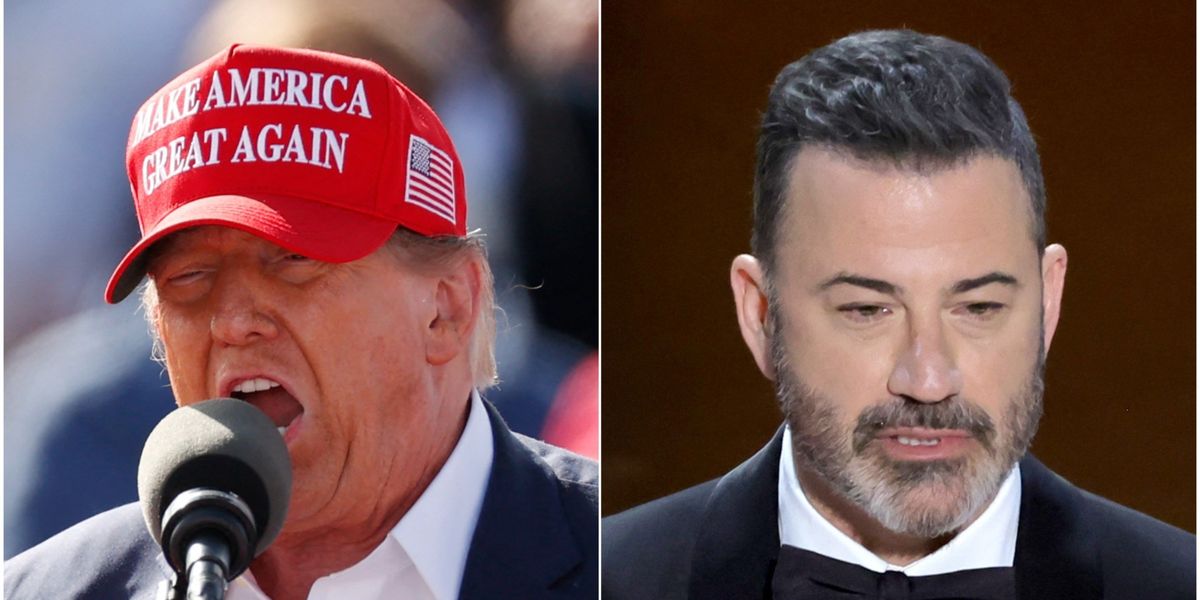
When a late-night host mocks a former president and that president fires back with threats of regulatory retaliation, the fallout doesn’t stay confined to talk show monologues or social media spats. This time, it reached the boardroom. The Walt Disney Company, parent of ABC and Jimmy Kimmel Live!, found itself at the center of a political firestorm—until its chair finally stepped in.
The Disney chair’s public statement marked a rare intervention in a celebrity-political clash, drawing a line between creative freedom and corporate consequence. In doing so, they didn’t just defend a late-night host—they affirmed a broader stance on media integrity in an era where entertainment and politics are increasingly entangled.
The Spark: How the Trump-Kimmel Conflict Ignited
It began, as many modern media wars do, with a joke.
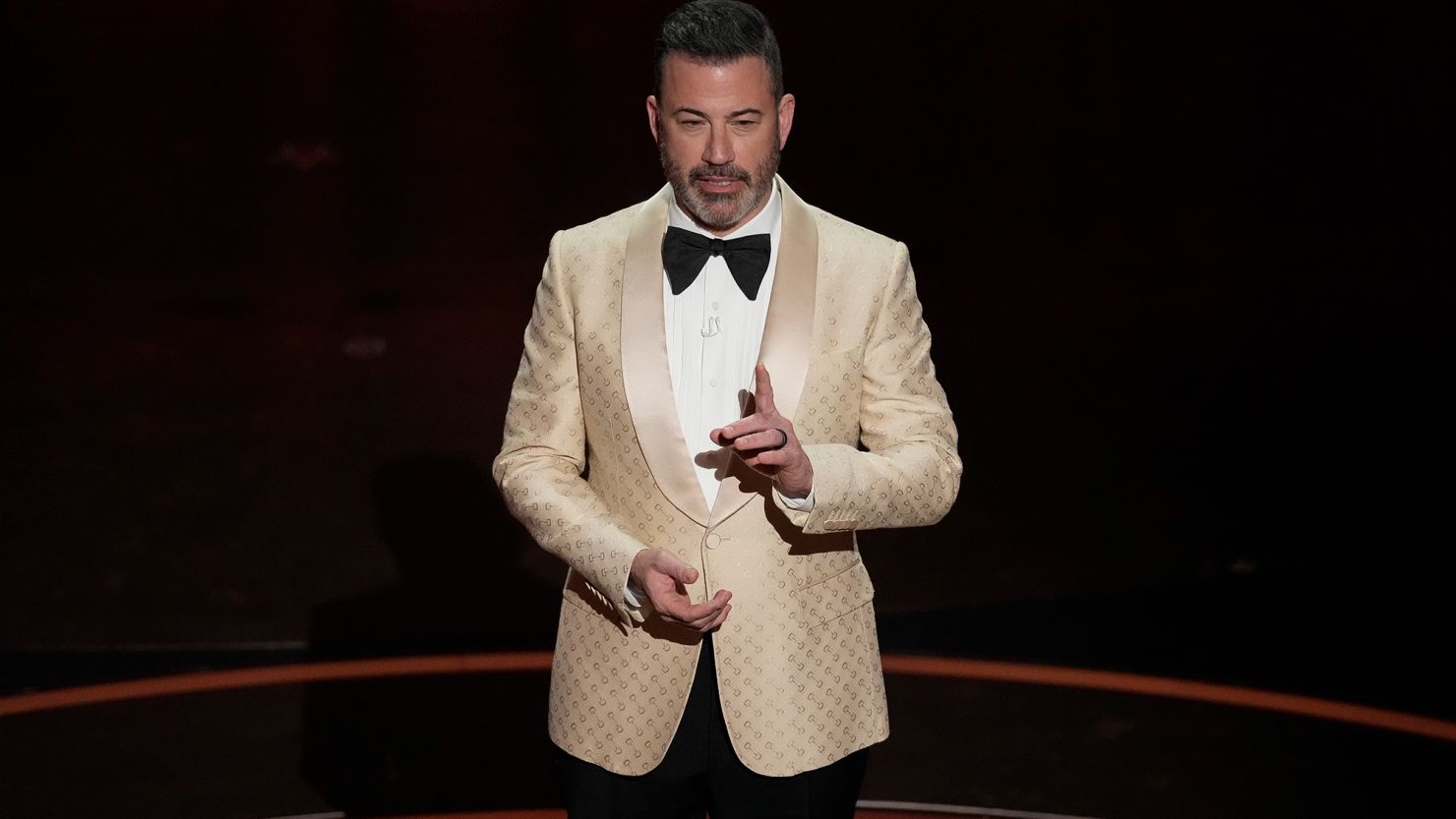
During a monologue on Jimmy Kimmel Live!, the host mocked Donald Trump’s recent legal challenges, framing them with his signature blend of satire and narrative storytelling. What might have been dismissed as routine political humor in another era drew an unusually sharp response. Trump, posting on Truth Social, called Kimmel “a loser who can’t get ratings” and vowed to “take a hard look at the license” of ABC if the network didn’t act.
The threat—revoking broadcast licenses—is constitutionally dubious and has no precedent in modern U.S. regulatory history. But it wasn’t the legality that mattered. It was the signal: a direct attack on a media outlet from a figure with a real shot at returning to the White House.
ABC, as a major broadcast network, operates under FCC licensing, though those licenses are routinely renewed absent serious violations. Still, the comment rattled executives. Shareholders noticed. And for the first time, Disney’s leadership could no longer stay silent.
Why the Disney Chair Had to Speak
The Walt Disney Company doesn’t typically comment on individual segments from its programming. Late-night comedy, especially on ABC, has long operated with editorial independence. But this wasn’t just about a joke. It was about a former president leveraging government power to intimidate private media.
When the Disney chair issued a brief but firm statement—“We stand by our creators. Political figures do not get to dictate content through threats”—it was more than PR damage control. It was a strategic positioning of Disney as a defender of free expression.
Behind the scenes, however, the decision was far from simple. Disney has faced political pressure for years—from conservative groups over LGBTQ+ representation to progressive critics over labor practices. Taking a public stand risked amplifying backlash, especially from a base that already views Hollywood as ideologically opposed to Trump.
Yet silence would have been riskier. Investors were concerned. Employees were uneasy. And the precedent of a political figure weaponizing regulatory authority against a broadcaster could chill creative output across the industry.
The Statement’s Key Messages—And What Was Left Unsaid
The Disney chair’s remarks were carefully crafted, balancing principle with corporate caution.
“Creative voices are the lifeblood of our company. While we recognize the role of public figures in discourse, we reject any effort to use governmental power to punish or suppress speech.”
Three elements stood out:
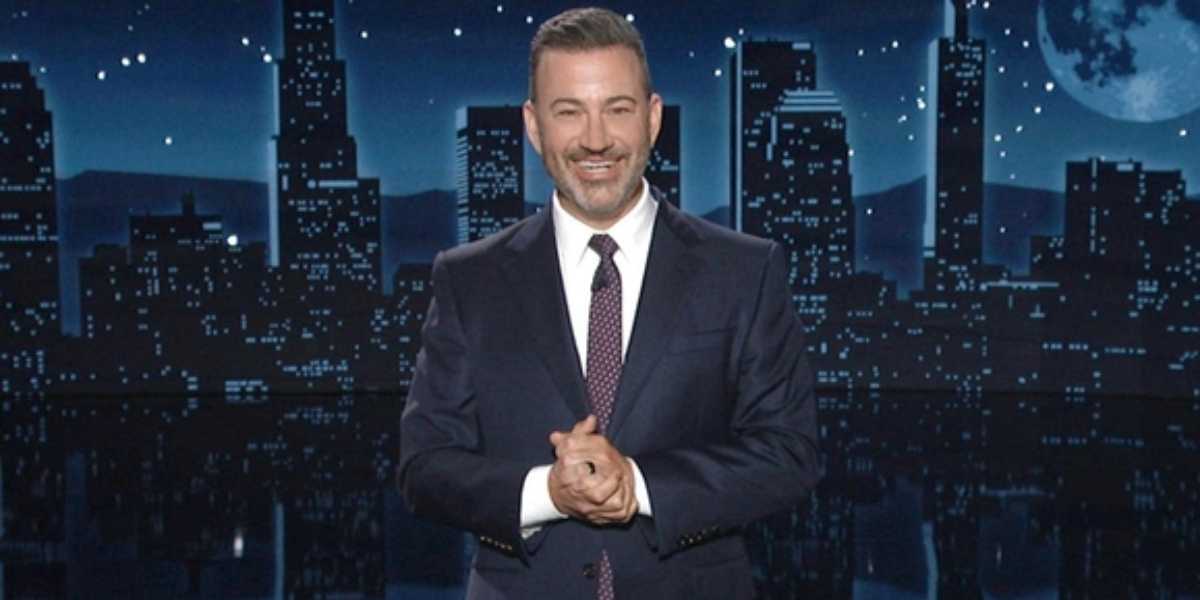
- Defense of creative autonomy: By framing Kimmel as a “creative voice,” the statement elevated the issue beyond politics into the realm of artistic freedom.
- Avoidance of partisan language: The chair didn’t mention Trump by name, nor did they defend Kimmel’s specific jokes. This allowed the message to stand on broader principles.
- Subtle legal pushback: The reference to “governmental power” implicitly challenged the legitimacy of using FCC authority as a political cudgel.
Notably absent? Any mention of past controversies involving Disney and political speech—such as the company’s initial silence during Florida’s “Don’t Say Gay” bill debate. That omission was tactical. This wasn’t the moment to reopen old wounds.
Behind the Scenes: Internal Tensions at Disney The public unity masked significant internal debate.
Sources within Disney’s executive ranks reveal that legal, communications, and programming teams were divided on how to respond. Some argued for a low-key internal memo, fearing that a public statement would escalate the conflict. Others, particularly from the ABC news division, urged a stronger rebuke.
One senior producer noted: “If we don’t push back now, what happens the next time? Do we start self-censoring monologues because a politician might tweet angrily?”
The chair ultimately sided with the creative and legal teams. Their rationale: Disney’s brand depends on trust—both from creators who expect freedom and from audiences who expect authenticity. Yielding to political pressure, even symbolic, would erode that trust.
Still, the episode exposed a growing vulnerability. As media conglomerates own everything from streaming platforms to theme parks, they become targets for political and cultural warfare. Disney, with operations in Florida, California, and global markets, is especially exposed.
Broader Implications for Media and Entertainment
The Disney chair’s intervention isn’t just about one feud. It signals a shift in how major entertainment companies may respond to political intimidation.
Networks May Reevaluate Their Silence For years, networks have avoided comment on political attacks, treating them as ephemeral noise. But when threats involve regulatory power—even if unfounded—they cross into operational risk. Expect more CEOs to speak up when government overreach is alleged.
Creators Gain a Shield—But
With Limits Kimmel now has corporate backing. But this protection isn’t absolute. If a joke crossed into defamation or hate speech, Disney would likely distance itself. The support is for satire, not recklessness.
Shareholders Are Watching In the days following the statement, Disney’s stock saw minor volatility, but institutional investors responded positively. A recent proxy filing from a major fund noted: “Companies must defend editorial independence to protect long-term value.”
Public Reaction: Praise, Criticism, and Polarization As expected, the response split along familiar lines.
Supporters hailed the move as courageous. The Writers Guild of America issued a statement calling it “a necessary defense of First Amendment principles.” Late-night hosts across networks voiced solidarity, with Stephen Colbert noting, “When they come after one of us, they come after all of us.”
Critics, primarily from conservative media, accused Disney of “endorsing anti-Trump bias” and enabling “fake news comedy.” Fox News host Laura Ingraham claimed the statement “revealed Hollywood’s deep hatred for half the country.”
More telling was the muted response from other major media CEOs. Netflix, Warner Bros. Discovery, and Paramount avoided commenting. This silence suggests many are still weighing their own red lines—and the cost of crossing them.
A Precedent in the Age of Media Fragmentation
What makes this moment different from past media feuds?
In the 1990s, when Tipper Gore criticized violent lyrics, or in the 2000s, when Dick Cheney clashed with Jon Stewart, corporate leaders rarely intervened. Media was fragmented. Influence was diluted.
Today, a single monologue can trend globally. A single tweet can trigger a stock dip. And a single CEO statement can reshape public perception.
Disney’s stance sets a template: respond swiftly, frame the issue as one of principle, avoid personal attacks, and align with core brand values. Other companies may follow—especially if political threats to media grow more common.
But there are limits. Disney can support Kimmel because he’s part of the family. Would they defend a controversial podcaster on a third-party platform? Unlikely. The calculus changes when brand alignment is weaker.
What This Means for the Future of Political Satire
Late-night comedy thrives on risk. But when that risk includes potential regulatory retaliation, the balance shifts.
Some comedians may self-censor, fearing their network will cave under pressure. Others may double down, emboldened by corporate support. The outcome depends on which precedent holds: intimidation or resistance.
For Disney, the path forward is clear. They must continue backing their creators—but also prepare for escalation. That means stronger legal safeguards, clearer crisis protocols, and possibly even public education campaigns about media rights.
Kimmel’s joke may have been fleeting. But the conversation it sparked—one about power, speech, and accountability—is here to stay.
Closing: Stand Firm, But Stay Smart
The Disney chair’s response to the Trump-Kimmel spat wasn’t just damage control—it was a strategic affirmation of values. In a media landscape under increasing political siege, such stands matter.
For entertainment companies, the lesson is clear: neutrality in the face of intimidation is not safety. It’s surrender. But speaking up requires more than courage. It demands precision, principle, and preparation.
Support your creators. Define your boundaries. And know that in the age of viral outrage, silence speaks louder than words.
FAQ
Did the Disney chair name Donald Trump in the statement? No. The statement avoided naming any individual, focusing instead on principles of free expression and opposition to political coercion.
Is there legal basis for Trump’s threat to revoke ABC’s license? No. The FCC operates independently, and broadcast licenses are not subject to presidential whim. Such threats are widely viewed as unconstitutional intimidation.
Has Disney supported political satire in the past? Yes. Disney-owned platforms have aired critical comedy for years, though public corporate endorsements of specific segments are rare.
Could this affect Disney’s relationship with conservative audiences? Possibly. Some consumer groups have called for boycotts, but Disney’s global brand diversification may insulate it from major financial impact.
What did Jimmy Kimmel say in response? Kimmel thanked Disney leadership in a follow-up monologue, calling their support “a powerful message in a fragile time for free speech.”
Does this mean all Disney creators are protected from political backlash? Not necessarily. Protection depends on context, content, and alignment with company values. The support is for responsible, legally compliant expression.
Could other media CEOs follow Disney’s lead? It’s likely. As political pressure on media grows, more leaders may feel compelled to set public boundaries—especially if shareholder or employee expectations shift.
FAQ
What should you look for in Disney Chair Breaks Silence on Trump-Kimmel Feud? Focus on relevance, practical value, and how well the solution matches real user intent.
Is Disney Chair Breaks Silence on Trump-Kimmel Feud suitable for beginners? That depends on the workflow, but a clear step-by-step approach usually makes it easier to start.
How do you compare options around Disney Chair Breaks Silence on Trump-Kimmel Feud? Compare features, trust signals, limitations, pricing, and ease of implementation.
What mistakes should you avoid? Avoid generic choices, weak validation, and decisions based only on marketing claims.
What is the next best step? Shortlist the most relevant options, validate them quickly, and refine from real-world results.