Choosing the right approach to heavenly light images explained starts with clear context, practical filters, and realistic expectations.
Introduction to Heavenly Light Images
Heavenly light images have been a staple of spiritual and religious art for centuries, evoking feelings of awe, wonder, and reverence. These images often depict a brilliant, shining light that seems to emanate from a divine source, conveying a sense of hope, guidance, and transcendence. But what do these images really mean, and how have they been interpreted across different cultures and contexts?
Historical Significance of Heavenly Light
In many ancient cultures, light was considered a symbol of the divine, representing wisdom, truth, and spiritual enlightenment. The ancient Egyptians, for example, worshipped the sun god Ra, who was often depicted with a solar disk on his head, symbolizing his role as the bringer of light and life. Similarly, in ancient Greece, the god Apollo was associated with the sun and light, representing reason, wisdom, and prophecy.
Symbolism of Heavenly Light
Heavenly light images often incorporate a range of symbolic elements, including colors, shapes, and motifs. White and gold are commonly used to represent purity, wisdom, and divinity, while rays of light may symbolize the divine presence or the path to spiritual enlightenment. In some cultures, heavenly light is associated with the afterlife or the realm of the ancestors, guiding the deceased to the afterlife.
Common Symbols in Heavenly Light Images Some
common symbols found in heavenly light images include:
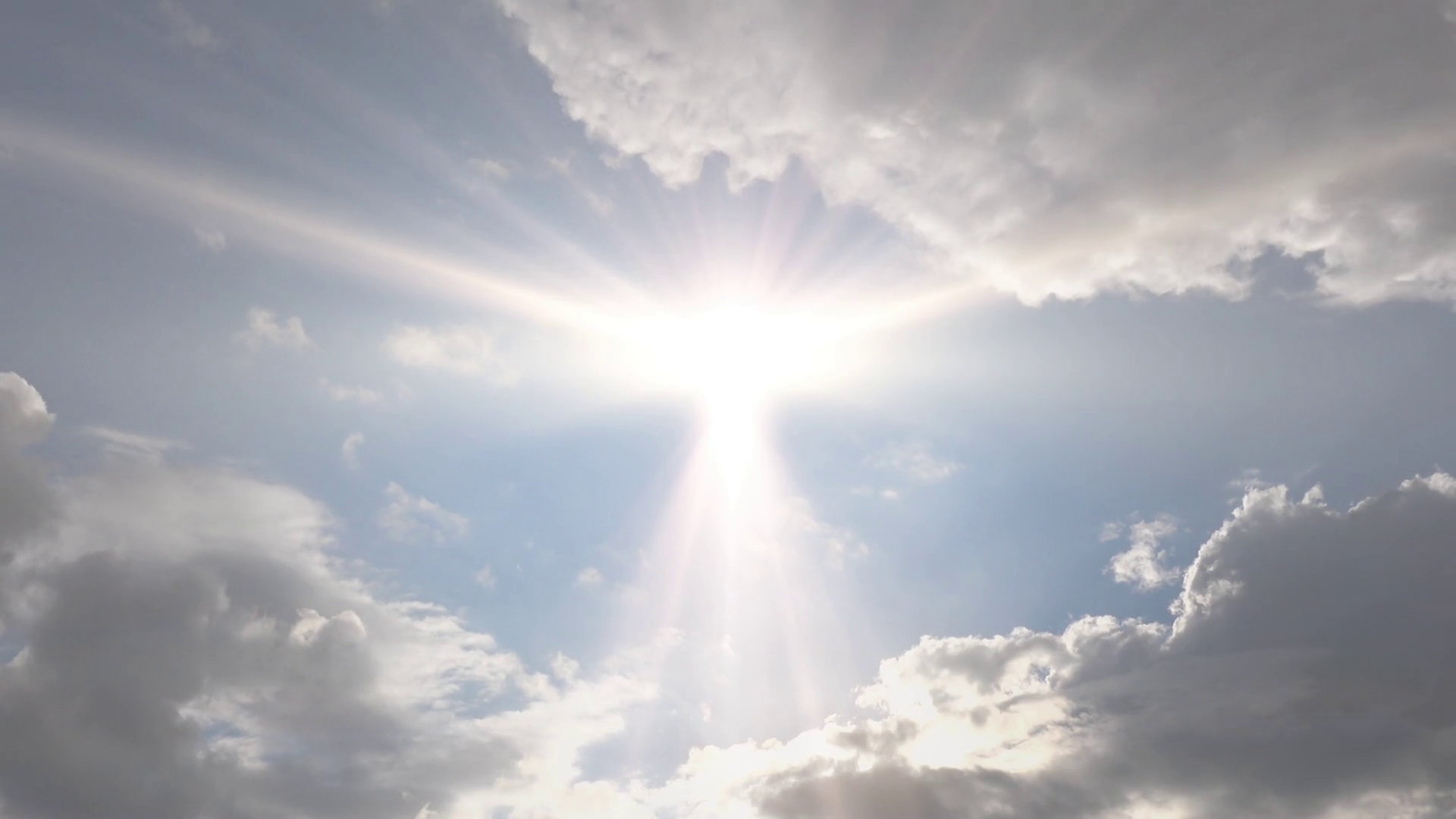
- Doves, representing peace, love, and the Holy Spirit
- Angels, symbolizing messengers of God or divine intermediaries
- Clouds, representing the heavens or the realm of the divine
- Sunbursts, signifying the radiance and glory of God
Cultural Variations of Heavenly Light Heavenly light images can be found in various
cultural and artistic traditions, each with its unique interpretation and significance. In Islamic art, for example, the light of God is often represented by intricate geometric patterns and calligraphy, symbolizing the divine word and the path to spiritual enlightenment. In contrast, Christian art often depicts heavenly light as a shining aura surrounding the figure of Christ or the Virgin Mary, representing their divine nature and role as spiritual guides.
Practical Examples of Heavenly Light Heavenly light images can be used in a variety of contexts, from spiritual practice to artistic expression. Some
practical examples include:
- Using heavenly light images in meditation or prayer, as a focal point for spiritual reflection and contemplation
- Incorporating heavenly light symbols into art or design, as a way to convey meaning and significance
- Displaying heavenly light images in sacred spaces, such as churches, temples, or shrines, to create a sense of reverence and awe
Limitations and Misconceptions
While heavenly light images can be powerful and evocative, they can also be misinterpreted or misunderstood. Some common misconceptions include:

- Assuming that all heavenly light images are identical or interchangeable, when in fact they may have distinct cultural or symbolic meanings
- Overemphasizing the literal or historical significance of heavenly light images, at the expense of their spiritual or symbolic significance
- Using heavenly light images in a superficial or decorative way, without fully appreciating their deeper meaning or context
Tools and Resources for Exploring Heavenly Light For those interested in exploring heavenly light images further, there are a range of tools and resources available, including:
- Online archives and databases of spiritual and religious art
- Books and articles on the symbolism and significance of heavenly light images
- Workshops and courses on spiritual practice, meditation, and artistic expression
- Communities and forums for discussing and sharing heavenly light images and their meanings
- Some popular tools and resources include:
- The Metropolitan Museum of Art: A comprehensive online archive of spiritual and religious art from around the world.
- The British Museum: A vast collection of artifacts and images related to spirituality and culture.
- Google Arts & Culture: A platform for exploring and discovering spiritual and cultural heritage.
- The Getty Museum: A leading institution for the study and appreciation of art and culture.
- The Smithsonian Institution: A trusted source for information and resources on spirituality, culture, and the arts.
Conclusion
Heavenly light images are a powerful and evocative aspect of spiritual and religious art, conveying a sense of hope, guidance, and transcendence.
By exploring the symbolism, cultural variations, and practical examples of heavenly light images, we can deepen our understanding and appreciation of these profound and meaningful images.